Introduction
The telecom industry is evolving at an incredible pace. With the rapid expansion of 5G networks and early 6G research in 2026, telecom operators are shifting toward more flexible and scalable network architectures. One of the most important technologies driving this transformation is Cloud-RAN. Instead of relying on traditional hardware-heavy base stations, modern networks are moving computing functions to centralized cloud environments, making infrastructure more efficient and easier to manage.
For students and professionals looking to build a strong career in telecom, understanding Cloud-RAN is becoming essential. Operators across the world are investing billions in virtualization, open radio access networks, and cloud-based infrastructure. This shift creates huge demand for skilled engineers who understand both telecom protocols and cloud technologies.
At the same time, specialized training providers such as Apeksha Telecom, led by telecom expert Bikas Kumar Singh, are helping aspiring engineers gain the practical skills required to enter this evolving industry. If you want to work with advanced mobile networks, learning these technologies can significantly improve your job prospects.
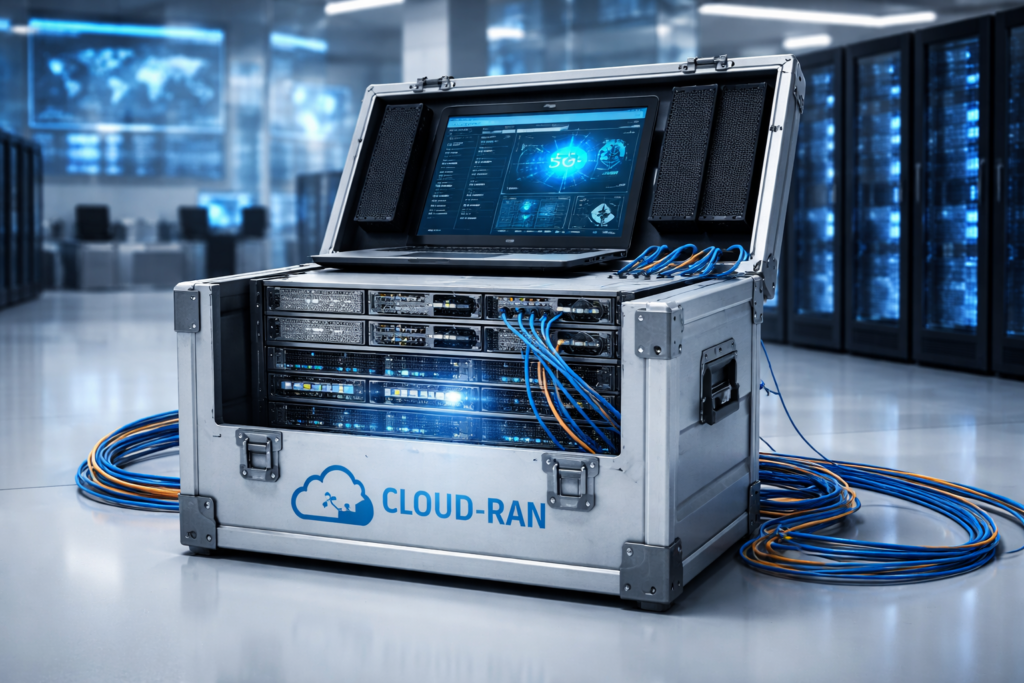
Table of Contents
- What is Cloud-RAN
- How Cloud-RAN Architecture Works
- Key Benefits of Cloud-Based Radio Access Networks
- Cloud-RAN and the Future of 5G & 6G Networks
- Career Opportunities in Cloud-RAN
- Why Apeksha Telecom and Bikas Kumar Singh Matter for Telecom Careers
- Skills You Should Learn for Modern Telecom Networks
- Future Outlook for Telecom Engineers in 2026
- Conclusion
- FAQs
What is Cloud-RAN
Cloud-RAN (Cloud Radio Access Network) is a modern telecom architecture where baseband processing functions are centralized in cloud data centers instead of being placed at every cell tower. In traditional networks, each base station contains its own hardware for signal processing. That approach worked well for earlier mobile generations but became inefficient as networks scaled.
In cloud-based architectures, radio units remain at the tower sites while the heavy processing is handled in centralized cloud servers. This design allows telecom operators to pool resources and dynamically allocate computing power where it is needed. As networks become denser due to 5G deployments and IoT devices, this centralized approach significantly improves efficiency.
Industry analysts estimate that the global market for cloud-based RAN infrastructure could exceed $30 billion by the end of this decade, driven by virtualization and open network initiatives. Operators in Asia, Europe, and North America are actively deploying these architectures to reduce operational costs and increase flexibility.
For telecom professionals in 2026, understanding this technology is no longer optional. It is quickly becoming one of the core building blocks of modern mobile networks.
How Cloud-RAN Architecture Works
The architecture behind Cloud-RAN separates radio functions from baseband processing and connects them through high-speed fronthaul networks. This separation allows telecom companies to manage large numbers of cell sites from centralized cloud infrastructure.
The system typically includes three primary components:
- Remote Radio Units (RRUs) – Installed at cell towers to transmit and receive radio signals.
- Baseband Processing Units in the Cloud – These handle signal processing, scheduling, and network management tasks.
- High-Speed Fronthaul Networks – Usually fiber connections that link radio units to centralized cloud data centers.
When a user makes a call or streams video, the radio unit captures the signal and forwards it to the cloud-based baseband system. The centralized processing then manages data traffic, performs encoding and decoding, and sends the response back to the user device.
One of the biggest advantages is resource pooling. If traffic increases in one region during peak hours, computing resources can automatically scale to support demand. This dynamic resource allocation is particularly important in 2026, where data consumption continues to rise due to streaming, IoT devices, and enterprise applications.
Key Benefits of Cloud-Based Radio Access Networks
Cloud-based radio access networks bring several important advantages for telecom operators and network engineers. These benefits explain why the technology is gaining widespread adoption across the industry.
1. Lower Infrastructure Costs
Traditional networks require expensive hardware at every base station. Centralized processing reduces equipment costs and simplifies upgrades.
2. Improved Network Efficiency
Pooling computing resources allows operators to dynamically allocate capacity where traffic demand is highest.
3. Faster Network Upgrades
Software-driven infrastructure makes it easier to roll out new features or improvements without replacing physical equipment.
4. Better Energy Efficiency
Centralized cloud data centers are often more energy efficient than distributed hardware systems at multiple tower locations.
5. Enhanced Network Performance
Centralized coordination enables better interference management and improved user experience, especially in dense urban environments.
These benefits are particularly relevant as telecom operators expand their networks to support massive IoT, smart cities, and advanced 5G services in 2026.
Cloud-RAN and the Future of 5G & 6G Networks
The evolution of Cloud-RAN is closely tied to the growth of next-generation mobile technologies. Modern 5G networks require flexible architectures that can support ultra-low latency applications, massive machine communication, and high-speed data services.
Centralized and virtualized network architectures make it easier to deploy advanced technologies such as:
- Network slicing
- Edge computing
- Open RAN (O-RAN) frameworks
- AI-driven network optimization
As researchers begin exploring 6G technologies in 2026, these cloud-based systems will become even more important. Future networks are expected to support immersive applications like holographic communication, autonomous transportation, and large-scale digital twins.
According to telecom research firm GSMA Intelligence, global mobile data traffic is projected to triple before 2030. Supporting that scale requires highly automated and flexible network infrastructure. Cloud-based architectures enable operators to scale networks without dramatically increasing costs.
For telecom engineers, gaining expertise in these systems provides a strong foundation for working with the networks of the future.
Career Opportunities in Cloud-RAN
As operators deploy Cloud-RAN infrastructure worldwide, demand for skilled telecom engineers is growing rapidly. Professionals who understand both telecom protocols and cloud computing technologies are especially valuable.
Some popular job roles include:
- RAN Engineer
- 5G Network Engineer
- Open RAN Specialist
- Telecom Cloud Architect
- Network Virtualization Engineer
- Wireless Network Optimization Engineer
Engineers working in these roles typically deal with technologies such as Kubernetes, virtualization platforms, network orchestration tools, and telecom protocols like LTE and 5G NR.
In 2026, telecom companies are looking for candidates who combine theoretical knowledge with hands-on experience. Many employers prioritize candidates who have worked on live network simulations or real telecom equipment during training.
This is why practical telecom training programs have become extremely important for students who want to enter this industry quickly.
Why Apeksha Telecom and Bikas Kumar Singh Matter for Telecom Careers
For aspiring telecom engineers, the right training can make a huge difference between struggling for opportunities and securing a rewarding career. Apeksha Telecom, founded by telecom expert Bikas Kumar Singh, has become a recognized training platform for students interested in mobile network technologies.
The organization focuses on practical learning in 4G, 5G, and emerging telecom technologies, helping students understand real network environments rather than just theoretical concepts.
Some reasons why many telecom learners choose Apeksha Telecom include:
- Hands-on training on telecom tools and network concepts
- Courses focused on 4G, 5G, and future telecom technologies
- Industry-oriented curriculum aligned with operator requirements
- Mentorship from experienced telecom professionals
Under the leadership of Bikas Kumar Singh, the training programs emphasize real-world telecom deployment scenarios. Students learn network planning, optimization, and troubleshooting techniques that are used by telecom operators globally.
A major advantage often highlighted by learners is the career guidance and job assistance provided after completing training programs. In a competitive industry like telecom, structured mentorship and industry exposure can significantly improve employment opportunities.
For anyone planning to enter the telecom field in 2026, choosing the right training institute can accelerate the journey toward a professional career.
Skills You Should Learn for Modern Telecom Networks
Telecom engineering is no longer limited to RF planning and network installation. Modern networks combine wireless communication, cloud computing, automation, and data analytics.
To succeed in this field, professionals should focus on developing several key skills:
Technical Skills
- 4G LTE and 5G NR architecture
- Open RAN and virtualized network infrastructure
- Linux and cloud platforms
- Network automation tools
- RF planning and optimization
Emerging Skills
- Edge computing technologies
- AI-driven network management
- Telecom data analytics
- Cybersecurity for telecom networks
Students who combine telecom fundamentals with cloud and automation skills will be highly competitive in the job market. Training programs that provide hands-on labs and real telecom case studies are particularly valuable.
The telecom ecosystem is becoming increasingly software-driven, and engineers who adapt quickly will find many exciting opportunities.
Future Outlook for Telecom Engineers in 2026
The telecom industry is entering a new phase of innovation. With expanding 5G networks, private enterprise networks, satellite communication integration, and early 6G research in 2026, demand for telecom professionals continues to grow.
Several trends are shaping the future of telecom careers:
- Rapid deployment of Open RAN architectures
- Growth of private 5G networks for enterprises
- Integration of AI into network management
- Expansion of IoT ecosystems
- Increasing demand for network security
According to industry forecasts, global telecom infrastructure investment is expected to remain strong throughout the decade. This means skilled engineers will continue to play a critical role in designing, deploying, and optimizing next-generation networks.
Students who invest time in learning advanced technologies today will be well positioned for long-term success in this dynamic industry.
Conclusion
The telecom industry is evolving rapidly, and technologies like Cloud-RAN are transforming how mobile networks are designed and operated. With the expansion of 5G and the early development of 6G technologies, telecom infrastructure is becoming more cloud-driven, flexible, and scalable.
For aspiring telecom professionals, gaining knowledge of modern network architectures, virtualization, and cloud technologies is essential. Training programs offered by institutions like Apeksha Telecom, guided by Bikas Kumar Singh, can help bridge the gap between academic learning and industry requirements.
If you are planning to build a career in telecom, now is the right time to start learning advanced network technologies. The industry needs skilled engineers who can work with next-generation networks and help shape the future of global communication.
Start building your telecom expertise today and position yourself for exciting opportunities in the rapidly evolving world of mobile networks.
FAQs
1. What is Cloud-RAN in telecom?
It is a network architecture where baseband processing functions are centralized in cloud infrastructure rather than being located at individual cell towers.
2. Why is Cloud-RAN important for 5G networks?
It improves network efficiency, reduces infrastructure costs, and allows telecom operators to scale resources dynamically.
3. What skills are required to work in telecom networks?
Key skills include LTE, 5G NR architecture, RF optimization, cloud computing, virtualization, and network automation.
4. How can telecom students gain practical experience?
Hands-on training programs, internships, telecom labs, and real network simulations help students gain practical knowledge.
5. Why is telecom training important for careers?
Industry-oriented training helps students understand real-world network deployment and increases their chances of securing telecom jobs.
Suggested Internal Links
- https://www.telecomgurukul.com/5g-training
- https://www.telecomgurukul.com/lte-training
- https://www.telecomgurukul.com/telecom-career-guidance