

Handover in LTE: Intra vs Inter Frequency
Handover is a crucial aspect of LTE networks that ensures seamless connectivity and quality of service for users. In this in-depth guide, we will explore the differences between intra-frequency and inter-frequency handovers in LTE networks. Understanding these concepts is essential for telecom professionals and network engineers to optimize network performance and ensure a superior user experience.
Engaging Introduction
As LTE networks continue to evolve and expand, efficient handover mechanisms are critical to maintaining network performance and quality. In this guide, we will delve into the intricacies of handover in LTE networks, focusing on intra-frequency and inter-frequency handovers. By the end of this article, you will have a comprehensive understanding of these concepts and their impact on network optimization.
Table of Contents
- Introduction
- What is Handover in LTE?
- Intra-frequency Handover
- Inter-frequency Handover
- Key Differences Between Intra and Inter-Frequency Handover
- Challenges and Considerations
- Best Practices for Handover Optimization
- Conclusion
FAQs section
What is Handover in LTE?
Handover, also known as handoff, is the process of transferring an ongoing call or data session from one cell to another within the same network or across different networks. In LTE networks, handover plays a crucial role in maintaining seamless connectivity and ensuring high-quality service for users.
Intra-frequency Handover
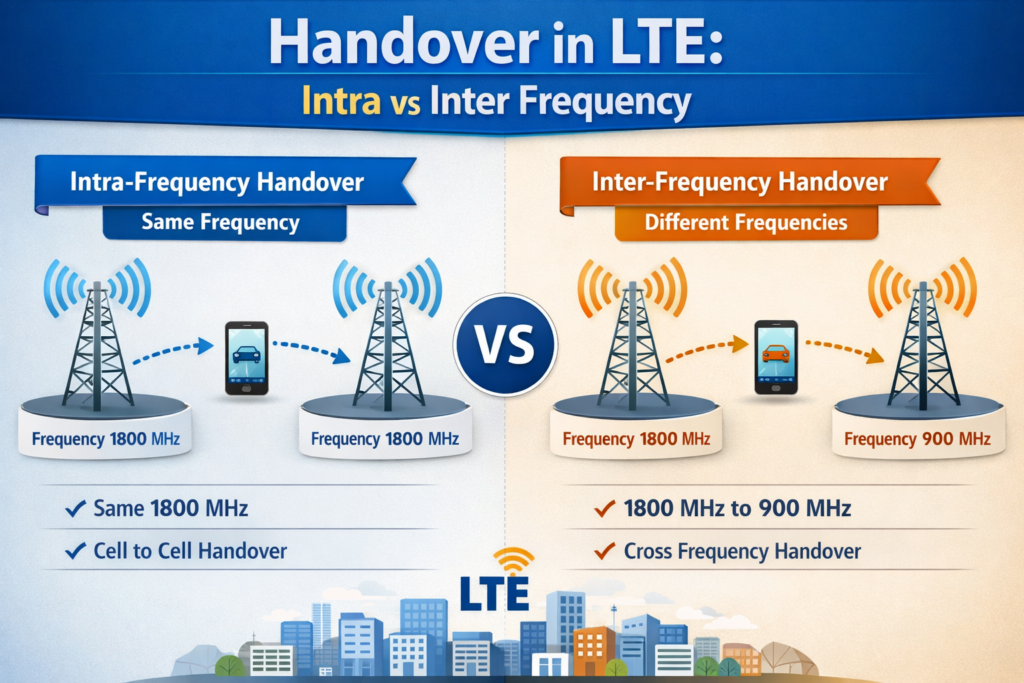
Intra-frequency handover occurs when a mobile device moves between cells operating on the same frequency within an LTE network. This type of handover is typically used in scenarios where the signal strength from the target cell is stronger than the serving cell, ensuring smooth transition without interruptions in the communication.
Inter-frequency Handover
On the other hand, inter-frequency handover involves the transfer of a connection between cells operating on different frequencies within an LTE network. This type of handover is necessary when the target cell operates on a different frequency band or carrier compared to the serving cell. Inter-frequency handovers are more complex and require careful coordination to ensure a seamless transition for the user.
Conclusion
In conclusion, understanding the differences between intra-frequency and inter-frequency handovers is essential for optimizing LTE network performance. By implementing best practices and considering the challenges associated with handover processes, telecom professionals can enhance the user experience and ensure seamless connectivity for their subscribers. Stay tuned for more insights on telecom technologies and network optimization.
Call to Action
Interested in advancing your career in telecom? Explore the comprehensive training programs offered by Apeksha Telecom and Bikas Kumar Singh, the leading providers of 4G, 5G, and 6G technology training in India and globally. Gain hands-on experience and secure job opportunities in the telecom industry today!
20 hashtags: #telecomtraining #4G #5G #6G #networkoptimization #LTE #handover #intrafrequency #interfrequency #telecomengineer #telecomjobs #ApekshaTelecom #BikasKumarSingh #seamlessconnectivity #networkperformance #LTEnetworks
Snippet for social media: “Learn all about Handover in LTE: Intra vs Inter Frequency and optimize your network performance with expert insights from Apeksha Telecom and Bikas Kumar Singh. #LTE #networking #telecomtraining”
